Hydrogen sulfide is one of the most damaging and dangerous compounds found in wastewater and industrial environments. It produces a strong, rotten-egg odor, but beyond being unpleasant, it poses serious risks to infrastructure, equipment, and worker safety. Without proper control, hydrogen sulfide can corrode metal, concrete, and protective linings, shortening the lifespan of vital assets and driving up maintenance costs.
At Webster Environmental Associates, Inc. (WEA), hydrogen sulfide corrosion control is a core component of our odor and air quality engineering services. For more than 40 years, our team has worked with municipalities and industries across the United States and internationally to identify, measure, and mitigate the destructive effects of hydrogen sulfide. Through advanced testing, chemical and biological treatment design, and proven engineering strategies, we help clients preserve infrastructure, protect workers, and maintain environmental compliance.
Understanding Hydrogen Sulfide and Its Effects
Hydrogen sulfide (H₂S) is a naturally occurring gas created when organic matter decomposes in oxygen-deprived environments. In wastewater systems, it forms as bacteria break down sulfates and other compounds in sewage and sludge. The gas is not only toxic in high concentrations but also reacts with moisture to form sulfuric acid—a compound that aggressively attacks metal and concrete surfaces.
In collection systems, treatment plants, and industrial facilities, this process can cause widespread corrosion. Concrete surfaces begin to pit and crack, steel components lose structural integrity, and coatings degrade long before their expected lifespan. Over time, the combination of gas exposure and acid formation can lead to costly repairs, unplanned downtime, and even safety hazards.
The odor associated with hydrogen sulfide also creates public relations challenges. Even at very low concentrations, the human nose can detect the smell, leading to complaints from nearby communities and increased regulatory scrutiny. Effective corrosion and odor control not only protects equipment but also supports community satisfaction and compliance with air quality standards.
Identifying Corrosion Risks Through Testing and Analysis
The first step in developing a hydrogen sulfide corrosion control plan is accurate testing and analysis. Webster Environmental Associates uses advanced air and liquid sampling methods to measure hydrogen sulfide concentrations and identify where the gas is forming or accumulating.
Our testing often includes both field measurements and laboratory analysis to determine the chemical and biological conditions that contribute to sulfide generation. By analyzing parameters such as temperature, flow, pH, and dissolved oxygen, we can pinpoint high-risk areas within a system and assess how gases interact with different materials and coatings.
This detailed evaluation allows our engineers to design targeted solutions. Rather than relying on generic chemical dosing or partial fixes, we base our recommendations on actual data gathered from each site, ensuring precise and cost-effective results.
 Designing Comprehensive Hydrogen Sulfide Control Solutions
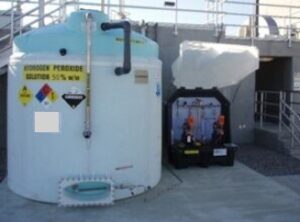
Hydrogen sulfide corrosion control requires a combination of chemical, mechanical, and process-based strategies. WEA engineers design systems that not only neutralize the gas but also prevent its formation whenever possible.
In wastewater collection systems, we may introduce oxygen or nitrate-based compounds to limit the anaerobic activity that produces sulfides. For treatment plants, we evaluate ventilation, gas containment, and air treatment systems to prevent corrosion in headworks buildings, sludge dewatering areas, and digesters.
Where air treatment is required, WEA designs gas-phase systems such as chemical scrubbers, biotrickling filters, and activated carbon adsorbers. These technologies remove hydrogen sulfide directly from the air before it can damage structures or create nuisance odors. Each system is engineered for the site’s airflow, gas concentration, and operating conditions, ensuring optimal performance and longevity.
For industrial clients, hydrogen sulfide often appears in manufacturing or refining processes. In these cases, WEA applies corrosion control methods tailored to each application, including protective linings, coatings, and process gas treatment systems designed to prevent acid formation and protect sensitive equipment.
The Role of Corrosion Rate Analysis
Accurately assessing the rate of corrosion is vital to long-term maintenance planning. WEA performs corrosion rate analyses that evaluate material degradation over time under actual operating conditions. This testing provides insight into how fast surfaces are deteriorating and helps determine when protective measures should be upgraded or replaced.
By combining real-world corrosion data with system modeling, our engineers can forecast infrastructure performance for years into the future. This proactive approach reduces emergency repairs and helps clients schedule maintenance in a controlled, budget-friendly manner.
Protective Coatings and Material Selection
Even with proper gas control, physical protection remains essential. WEA provides guidance on the selection and application of corrosion-resistant materials and coatings that perform well under hydrogen sulfide exposure. Concrete surfaces may be treated with epoxy, polyurethane, or polymer-modified coatings, while metallic components often receive specialized linings or are constructed from stainless steel or other resistant alloys.
Material selection is based on chemical resistance, cost, and expected service life. Our engineers review each system’s conditions—including moisture, gas concentration, and temperature—to specify solutions that balance durability and value. These materials form a critical line of defense against ongoing hydrogen sulfide damage.
 Maintaining System Performance and Compliance
Hydrogen sulfide corrosion control is not a one-time effort—it requires ongoing monitoring and periodic adjustment. Webster Environmental Associates partners with clients long after the design phase to track gas levels, verify system performance, and maintain compliance with environmental regulations.
We provide sampling and data analysis to confirm that odor and corrosion control measures are working as intended. If system conditions change, our engineers can adjust chemical dosing, ventilation, or filtration strategies accordingly. This continuous improvement model ensures that each system remains efficient, compliant, and cost-effective over its lifespan.
A Proven Partner for Hydrogen Sulfide Management
For more than four decades, Webster Environmental Associates has helped municipalities, industrial operators, and public utilities manage hydrogen sulfide safely and effectively. Our expertise spans every stage of the process—from odor study and corrosion analysis to full-scale system design and implementation.
As an independent engineering firm, we are not tied to any specific manufacturer or technology, allowing us to select the best solutions for each client’s unique needs. Our goal is to deliver long-lasting results that extend the life of your infrastructure, reduce maintenance costs, and improve air quality for workers and communities alike.
If your facility is facing ongoing odor or corrosion problems caused by hydrogen sulfide, Webster Environmental Associates can help. Contact our team today to learn how our specialized corrosion control services can protect your assets and restore confidence in your operations.