Odor control projects are essential for maintaining air quality, protecting communities, and supporting regulatory compliance. Whether managing emissions from a municipal wastewater plant or an industrial processing facility, projects that involve odor control systems often require air permitting before construction or operation begins. These permits confirm that proposed systems meet environmental standards, prevent air-quality degradation, and operate safely within regulatory limits.
Webster Environmental Associates, Inc. (WEA) helps clients navigate every stage of the air-permitting process with precision and confidence. With over four decades of experience and more than 750 odor control projects completed worldwide, WEA combines technical expertise with regulatory insight to make complex permitting requirements manageable and efficient.
The Role of Air Permitting in Odor Control
Air permitting serves as a bridge between environmental responsibility and operational efficiency. It provides a structured process for evaluating emissions, identifying control technologies, and confirming that each project aligns with local, state, and federal air-quality standards.
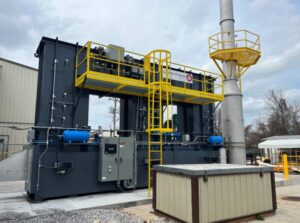
Odor control projects often involve systems designed to treat gases such as hydrogen sulfide, ammonia, and volatile organic compounds (VOCs). These gases can pose environmental or public health concerns if released unchecked. Air permits ensure that treatment systems—such as biofilters, chemical scrubbers, or carbon adsorption units—effectively remove contaminants before discharge into the atmosphere.
For municipalities, air permitting demonstrates a commitment to community well-being. For industries, it ensures compliance, minimizes legal exposure, and supports sustainable operations.
A Comprehensive Permitting Process
Each air permit application requires careful documentation and a clear understanding of regulatory expectations. WEA begins by conducting detailed assessments of the facility’s emission sources, evaluating existing odor control equipment, and determining whether new or modified systems will change the overall emission profile.
Our engineers calculate emission rates, identify compounds of concern, and model how those emissions disperse under different environmental conditions. These calculations allow agencies to determine whether the project qualifies as a minor, synthetic minor, or major source under the Clean Air Act or local regulations.
WEA prepares the necessary application materials—technical reports, air dispersion modeling data, process flow diagrams, and equipment specifications—so that each submission meets agency standards. By handling both the engineering and regulatory components, we help clients avoid delays and ensure smooth project approval.
Aligning Engineering with Compliance
Because odor control projects are both technical and regulatory in nature, coordination between engineering and permitting is critical. WEA integrates compliance considerations into the design process from the start. This approach prevents redesigns, reduces back-and-forth with regulators, and helps facilities maintain compliance after construction.
Our engineers evaluate each project’s operational conditions, airflow rates, and chemical reactions to determine the best configuration for emission control. By selecting technologies and equipment that meet both performance and regulatory requirements, we streamline approval timelines and support long-term operational success.
From the first design draft to final commissioning, our team ensures that every detail aligns with air-permitting conditions, giving clients confidence that their systems meet or exceed environmental expectations.
Municipal and Industrial Applications
Air permitting for odor control applies to both municipal and industrial facilities, though each faces distinct challenges.
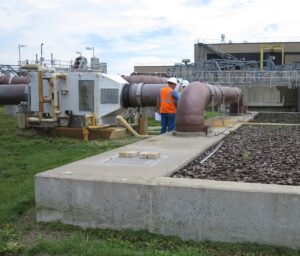
Municipal wastewater treatment plants typically require permits for gas-phase odor control systems that handle emissions from headworks buildings, sludge dewatering areas, and biosolids storage. WEA’s engineers document how these systems capture and treat compounds like hydrogen sulfide, ensuring compliance with odor thresholds and air emission limits.
Industrial facilities—such as food processors, refineries, and chemical plants—must manage a more complex mix of compounds. In these cases, WEA designs and documents odor control strategies that address both odor-causing and hazardous air pollutants. We provide the supporting data regulators require to confirm that emissions are minimized and that public exposure remains well below allowable levels.
By tailoring our permitting approach to each sector, we help both municipal and industrial clients maintain compliance without sacrificing productivity or performance.
Air Dispersion Modeling and Environmental Evaluation
Air dispersion modeling plays a central role in most air-permit applications. These models simulate how odor compounds travel and dilute in the atmosphere, accounting for local weather conditions, topography, and wind patterns.
WEA uses advanced modeling software to predict downwind odor concentrations and identify potential sensitive receptors such as neighborhoods, schools, or businesses. These results demonstrate to regulatory agencies that the proposed odor control system will effectively limit emissions and prevent nuisance conditions.
When modeling reveals potential risks, our engineers refine system design—adjusting stack heights, airflows, or treatment capacity—to achieve compliance before the project moves forward. This proactive approach minimizes regulatory revisions and keeps projects on schedule.
Navigating Regulatory Agencies
The air-permitting process often involves multiple agencies, from local environmental departments to federal authorities. Each jurisdiction may have different requirements for reporting, testing, and approval. WEA’s experience with state and federal permitting frameworks allows us to manage these interactions efficiently.
We communicate directly with regulators, providing clear explanations and technical documentation that address all concerns. Our familiarity with permitting language, data requirements, and submission protocols ensures that every application is thorough, accurate, and professionally presented.
This experience saves clients valuable time and helps prevent costly setbacks caused by incomplete or unclear submissions.
 Maintaining Compliance After Approval
Once an air permit is issued, facilities must operate within its specified conditions. WEA assists clients with post-permit compliance through ongoing testing, reporting, and performance verification. We help confirm that odor control systems perform as designed and continue meeting emission standards.
Our engineers perform system audits, review monitoring data, and recommend adjustments to maintain optimal performance. If facilities plan expansions or process changes, we assist with permit modifications and renewals to ensure continued compliance.
By offering long-term support, WEA helps clients maintain smooth operations while staying ahead of evolving environmental regulations.
Partner with Experts in Air Permitting and Odor Control
Navigating the air-permitting process for odor control projects requires experience, precision, and technical knowledge. Webster Environmental Associates delivers all three. Our team has decades of experience working alongside municipalities, private industries, and engineering firms to secure permits and design systems that perform reliably.
From emission evaluation to compliance documentation, we manage every step of the process, reducing delays and eliminating guesswork. With our expertise in both engineering and environmental permitting, clients gain a trusted partner who can move their project from concept to operation with efficiency and confidence.
If you’re planning an odor control project that requires air permitting, contact Webster Environmental Associates today. We’ll guide you through the process, ensuring compliance while helping your project reach its goals.